African Textiles: Diversity of Fabrics Across the Continent

by | Jan 21, 2026 | Textile Design, World Textiles | 0 comments

african textiles

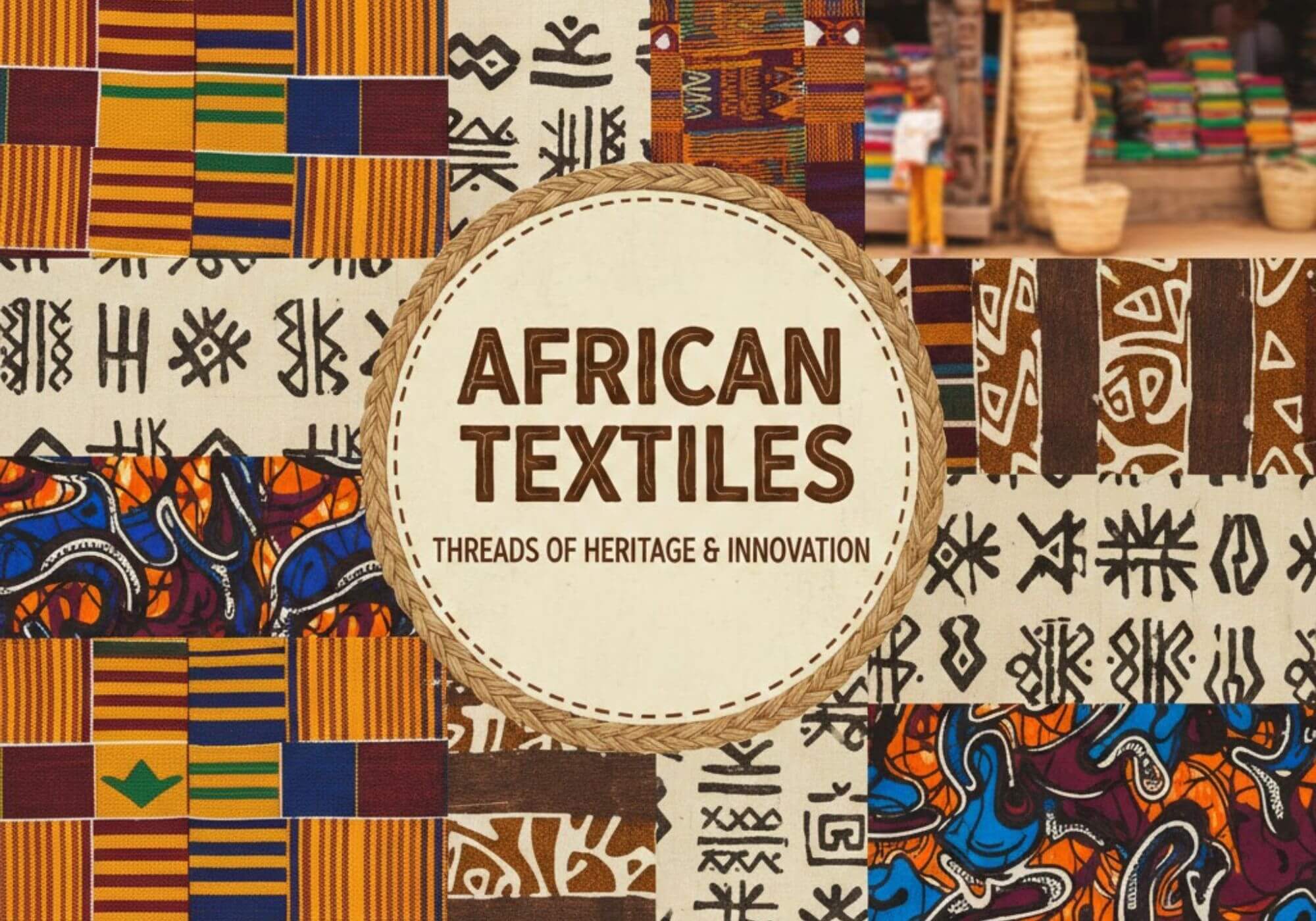
Welcome to African Textiles—the fabric universe where color talks, patterns flirt, and every thread has receipts. This isn’t just about looking good (though you absolutely will). It’s about wearing craft, history, identity, and celebration—sometimes all in one outfit. Whether you’re a minimalist who wants one statement piece or a maximalist who believes “too much” is a compliment, African Textiles give you options that feel personal, powerful, and design-forward.

Asooke (Aso Òkè): The “Main Character” Fabric You Deserve

When you want your outfit to enter the room before you do, Asooke (Aso Òkè) is the moment. This prestigious Yoruba handwoven cloth is traditionally made in narrow strips and then stitched into larger panels—so yes, it’s basically couture engineering with cultural royalty energy. You’ll often see it in wedding looks: men in agbada; women wrappers called iro, Yoruba womens blouse called buba, a gown called Komole and that iconic gele that can double as architecture. Asooke is known as “top cloth,” and honestly, the name understood the assignment. You can style it modern too: think structured corset tops, sharp blazers, sleek midi skirts, or even statement bags. The texture alone gives “luxury,” and the shimmer threads? That’s your built-in spotlight. If you’ve been waiting for a textile that screams celebration without saying a word, this is your sign.  

Aso Oke Fabric Strip

Adire: Indigo Drama, But Make It Art

If you love outfits that look like wearable poetry, Adire is for you. This Yoruba resist-dyed textile (often indigo) is created by “blocking” dye in certain areas—so patterns appear like magic after dyeing. And yes, you can absolutely tell people you’re wearing an art process, not just fabric. Traditionally made by Yoruba women, Adire includes styles like tie-dye, stitch resist, and paste resist techniques—meaning every piece can feel deeply handmade and delightfully imperfect (the good kind). Styling-wise, Adire is ridiculously versatile: you can wear it as a breezy kimono over denim, a relaxed two-piece set, a modern slip dress, or even as a crisp shirt that upgrades your whole week. If you want African Textiles that feel calm, cool, and creative—Adire is that “effortless, but intentional” vibe.  

Adire

Ankara (African Wax Print): The Print That Refuses to Whisper

Ankara is what happens when fabric decides it doesn’t do “subtle.” Often called African wax print, it’s bright, bold, and built for compliments from strangers. Ankara is typically cotton with vibrant motifs, and it’s beloved across many African countries because it plays well with modern silhouettes—peplum tops, wide-leg pants, matching sets, dramatic sleeves, you name it. And the best part? You can pick prints that match your mood: romantic florals, geometric power patterns, playful motifs that feel like inside jokes. “African Textiles” and “Ankara styles” are search gold because people constantly look for outfit inspiration, sewing ideas, and wedding guest looks. If you’re building a wardrobe that feels joyful and expressive, Ankara is basically wearable serotonin

Ankara

Adinkra: Wearing Wisdom (And Looking Cute Doing It)

If you like your fashion with meaning—like “my outfit is inspirational, thanks for noticing”—then Adinkra is your textile. Originating with Akan/Asante culture in Ghana, Adinkra cloth is known for stamped symbols that represent concepts, proverbs, and life philosophy. So yes, you can literally wear a message without printing a slogan tee. Traditionally, Adinkra textiles were associated with important ceremonies, and today they’re also seen in contemporary fashion and design because the symbolism is timeless and graphic in the best way. You can style Adinkra prints as a statement skirt with a clean white shirt, or go full designer-mode with a matching set and sleek accessories. If you want African Textiles that feel thoughtful, iconic, and visually strong, Adinkra is that elegant intellectual friend who still knows how to party.

Adinkra

Akwete: The Quiet Luxury of Igbo Weaving

Let’s talk about Akwete cloth, because this is the kind of textile that makes designers fall in love and start sketching immediately. Produced in Igboland, Nigeria, Akwete is a handwoven strip textile traditionally made by women, often featuring bold motifs and rich color arrangements. It’s the kind of fabric that doesn’t need to shout—its craftsmanship is the flex. If you’re into “quiet luxury,” Akwete fits perfectly: clean tailoring, structured silhouettes, minimalist styling that lets the weave do the talking. Picture it as a modern wrapper skirt with a tucked-in tank, or a boxy jacket over a monochrome base. It’s also a dream for accessories—Akwete clutches and belts look like gallery pieces. You’re not just wearing fabric; you’re wearing technique, tradition, and serious textile IQ.

Akwete

Bogolanfini (Mud Cloth): Earthy, Bold, and Unapologetically Cool

If your style leans artsy, grounded, and a little rebellious, Bogolanfini (aka mud cloth) is your new obsession. This Malian textile is traditionally dyed using fermented mud and the result is graphic, symbolic patterns that look insanely modern. It’s usually seen in earthy palettes (black, brown, cream), which makes it incredibly easy to style even if you’re not a color maximalist. Think mud cloth bomber jacket, oversized shirt-dress, tailored trousers, or a statement cape moment if you’re feeling extra. In the world of African Textiles, Bogolanfini is that bridge between ancient technique and contemporary street-style energy.

Mud Cloth

Bark Cloth (Lubugo): Fashion That Starts from a Tree

You want sustainable fashion with actual heritage? Meet bark cloth—especially the Ugandan tradition recognized by UNESCO. This textile is made from the inner bark of trees (often the mutuba fig), and it’s beaten and softened into a cloth-like material. That means it’s not woven in the usual way—so it feels like fashion’s most interesting plot twist. Traditionally used in ceremonies and cultural gatherings, bark cloth has also found modern design uses, from clothing to interiors. For you, this could look like a statement jacket panel, artisanal accessories, or even mixed-textile fashion pieces that blend bark cloth with cotton or silk for structure. In the bigger African Textiles conversation, bark cloth is proof that innovation and tradition can share the same runway.

Bark Cloth

Kente: The Crown Jewel of Woven Color

If fabric could win awards, Kente would need a whole trophy shelf. Woven in Ghana by Asante and Ewe weavers, Kente is made in narrow strips on looms and then sewn into larger cloths. The patterns and colors carry meaning, and the overall effect is pure visual prestige. You’ll see Kente at graduations, weddings, and major celebrations—and you can also style it in modern ways: cropped jackets, pencil skirts, structured dresses, or even sneakers and bags with Kente panels. If you’re new to African Textiles, Kente is an iconic entry point because it’s instantly recognizable and always photogenic. And if you’re a designer? Kente is a masterclass in color theory, rhythm, and pattern balance—basically a textile mood-board that taught itself.

Kente

Kuba Cloth: Texture That Looks Like It Took a degree to Create

If you love texture—like the kind that makes people reach out and touch your sleeve—Kuba textiles from the Democratic Republic of the Congo are your dream. Often made from raffia (palm fiber), Kuba cloth is known for elaborate surface decoration: embroidery, applique, and geometric designs that feel both ancient and futuristic. It’s not “background fabric.” It’s the entire conversation. You can use Kuba-inspired textiles in fashion as standout jackets, artful skirts, dramatic collars, or accessories that look like museum pieces. Kuba cloth is also an amazing section because people search for “raffia textile,” “Kuba fabric,” and “African geometric cloth” when hunting for unique decor and fashion inspiration—so you’re catching both audiences. In the world of African Textiles, Kuba is the one that proves detail is a love language.

Kuba

Okene Cloth: Stripe Power from Ebira Weaving

Let’s put respect on Okene cloth—a traditional handwoven textile associated with the Ebira people of central Nigeria. It’s known for bold stripes and strong graphic color combinations that look amazing in structured garments. You can absolutely turn Okene cloth into a modern fashion statement: think cropped jackets, fitted vests, sharp trousers, or a minimalist dress where the stripes do all the work. What I love is how the design language feels confident—like your outfit is standing up straight even if you’re running on iced coffee. If you’re curating a post around African Textiles, Okene cloth adds depth because it expands the conversation beyond the most globally famous fabrics and highlights Nigeria’s diverse weaving traditions.

Okene

Sheweshwe (Shweshwe): The South African Print That Styles Itself

If you want a fabric that feels classic, crisp, and instantly styled, Shweshwe is the answer. This printed dyed cotton is widely used in Southern African traditional clothing and is known for intricate repeating geometric designs. It’s often associated with Basotho dress, but it’s loved across the region—and it gives that clean, heritage-meets-modern look that works for everyday wear. You can turn Shweshwe into shirt dresses, puff-sleeve tops, matching skirts, or even a tailored blazer that looks like it belongs in both a ceremony and a street-style shoot.

Sheweshwe

Ukara: Secret-Society Symbols, Maximum Style Impact

Now for the dramatic one: Ukara cloth. This indigo-dyed ceremonial wrapper is associated with the Ekpe society (an interethnic men’s association across southeastern Nigeria and western Cameroon). Ukara often features nsibidi symbols—graphic marks that carry meaning—so the cloth becomes more than fashion; it becomes a coded visual language. From a design perspective, Ukara is a gift: high-contrast indigo, bold motifs, and a strong cultural identity that translates beautifully into contemporary styling. You can draw inspiration from Ukara in modern fashion pieces like cloaks, oversized shirts, jackets, or statement panels—always with respect for its origins and significance. In your African Textiles content strategy, Ukara is that high-interest section that makes readers stop scrolling because it’s unexpected and rich with story.

Ukara

FAQ: African Textiles (10 Quick Answers Readers Actually Want)

What are African Textiles?

African Textiles are the wearable stories as they are created across the continent with the techniques such as dyeing, printing and ancient weaving. These textiles and techniques are tied to the personal identity, specific ceremonies and cultural heritage.

Is Ankara counted as African print?

Yes, it is an African Print. In West Africa, “Ankara” is the go-to name for those vibrant, wax-printed cotton fabrics. While the history of its production is global, the soul of the designs is 100% African.

Why is Asooke Special?

It is one of the statement pieces for the Yoruba people. It is hand loomed cloth which is prestigious and luxurious. This textile-built respect as it is used in the events like weddings and coronations.

Is Adire blue always?

Traditionally, yes, because it’s famous for its rich indigo dye. However, modern artisans are breaking the mold. While the classic deep-blue patterns are still the gold standard, you can find contemporary Adire in almost any color today.

What is Adinkra cloth used for?

Adinkra is a cloth that is hand stamped with symbols which represents the life lessons and proverbs. It is a visual shorthand for wisdom. People use to communicate their values and philosophy with significant life transitions.

From where does Kente Come from?

 Kente is the pride of Ghana and it is handwoven by the Asante and Ethnic groups. The geometric pattern and color in the weave have a special meaning and it makes every strip of the cloth unique message.

What is the name of the mud cloth in Mali?

Mali is the homeland of mud cloth, and it is called Bogolanfini which is Bogolan. A cotton treated with fermented mud is used to create the iconic and earthy black and white patterns.

Is bark cloth considered as a sustainable fabric?

In Uganda artisans use the inner bark of the Mutuba Tree without killing the tree. The bark grows back after the use. It is the oldest textiles which a man knows, and it is also recognized by UNESCO, and it is a masterpiece of human heritage.

What is Kuba cloth made from?

The Kuba cloth is made from the leaves of the Raffia Palm, and it is dyed and woven as a base cloth. It is then decorated with embroidery and cut pile techniques are used in a texture like velvet.

What is Ukara cloth?

Ukara is the ceremonial indigo cloth that is used by the Ekpe society in Nigeria and Cameroon. It is powerful and covered in nsibidi symbols which is a secret script that has deep meaning. These meanings are only known to the society members.

Related Posts

The Art of Khakha Making

The Art of Khakha Making

Khakha Making Khakha making is one of the traditional Indian crafts techniques. It is used to transfer the intricate embroidery design on the fabric. A perforated paper stencil also known as “Khakha” is used for this method. The term “Khakha” also known as Khaka...

read more
error: Content is protected !!