
A Designer’s Easy Guide
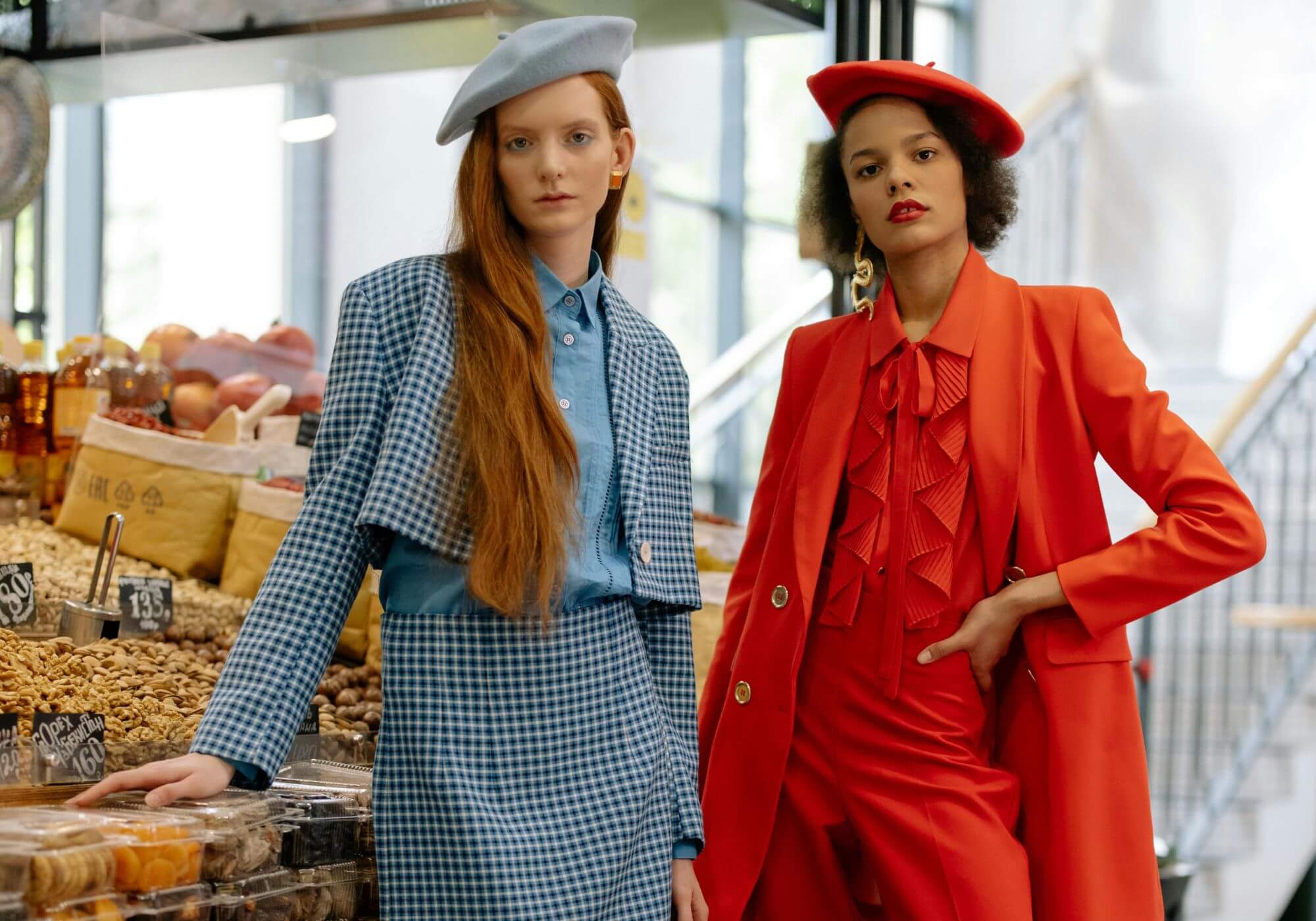
Fashion isn’t just about wearing something that looks good in the mirror. It’s about how fabric moves with you, how colors talk to your mood, and how small details quietly shape your confidence. As a fashion designer, I often tell my students and readers this: every outfit you love follows certain design rules—even if you don’t realize it. And these rules are called as the elements of fashion. Elements of fashion are the building blocks, and they turn clothing into style. As a fashion student, blogger or a brand owner or an individual for good dressing these elements will help you choose a smart fashion choice.
The below are the 7 elements of fashion design:
Lines: The Silent Transformer in Fashion
Lines are the secret architects of your clothes. We usually don’t notice that sometimes some outfits look instantly good when tried on and this is because of the limes. When I’m designing, I think of these lines to help your natural shape shine. Vertical details, like a long coat or a row of buttons, act as a visual “stretch” that makes you feel a little taller and more streamlined. Horizontal lines, like a classic Breton stripe or a well-placed hem, add a sense of balance and structure. If you’re looking for a bit of energy, diagonal lines—found in things like wrap dresses—create a sense of movement that feels alive and effortless.
Once you start spotting these lines, shopping stops being a guessing game. You’re no longer just buying “stuff”; you’re choosing pieces that work with you. That’s the moment getting dressed stops feeling like a chore and starts feeling like you.
Shape and Form: Creating Structure and Personality
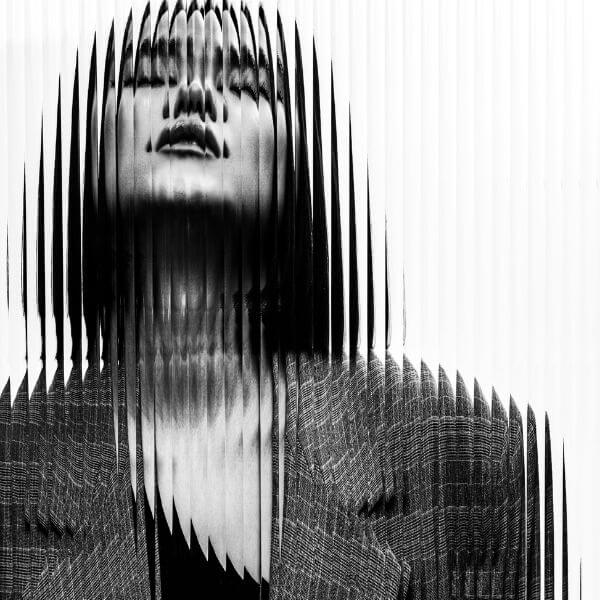
Let’s be honest: we’ve all had those days where we put on an outfit and suddenly feel like we can take on the world—or, conversely, like we’re hiding in too much fabric. That feeling usually comes down to shape. It’s the very first thing people notice about us; it’s the shadow we cast and the “vibe” we give off before we even say hello.
To me, shapes are just different ways of expressing how we feel. When you reach for something structured, like a crisp blazer, you’re usually looking for a bit of that “I’ve got this” energy. But on the days, you want to feel relaxed and approachable, you probably find yourself grabbing something softer, like a flowy dress or an easy, oversized knit. Neither is better than the other; they’re just different chapters of your story.
The secret to effortless style is realizing you don’t have to wear what everyone else is wearing. When you stop chasing trends and start picking silhouettes that make you feel like you, everything gets easier. You aren’t just getting dressed anymore; you’re choosing how you want to move through your day.
Color: The Emotional Language of Fashion
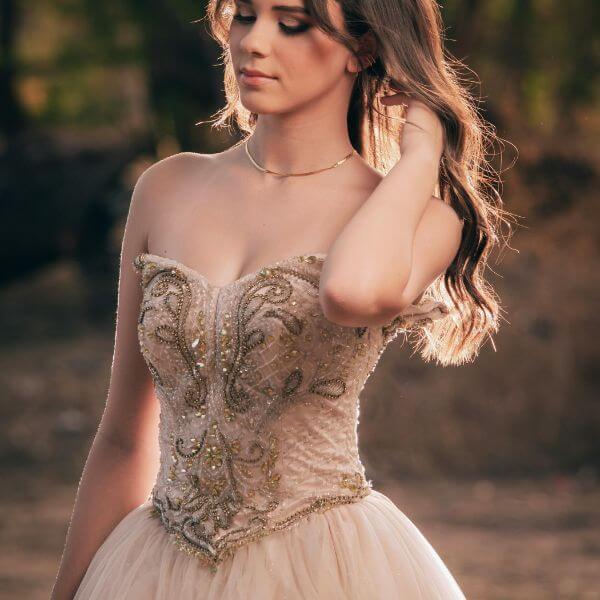
We’ve all had those mornings where we reach for a specific shirt or sweater simply because the color matches exactly how we’re feeling. That’s because color is probably the most personal part of fashion—it’s the first thing people notice, and it honestly speaks for us before we even say “hello.” It’s a direct reflection of our mood, our energy, and even how we want to be treated that day.
In my work as a designer, I’ve realized that color is less about “rules” and more about emotion. Sliding into something dark and deep, like navy or charcoal, can feel like putting on a layer of quiet confidence or “armour.” On the flip side, wearing something bright and bold feels like a shot of energy, while soft neutrals can be like a deep breath of calm. It isn’t just about what’s “in” this season; it’s about finding the shades that make you feel like the best version of yourself.
Once you stop worrying about what’s trending and start paying attention to how colors make you feel, everything clicks. You can stop buying things that you don’t need and will select the styles that you really need. When your wardrobe finally matches your spirit, getting dressed stops being a stressful puzzle and becomes a bit of a joy.
Texture: When Fashion Becomes Touchable
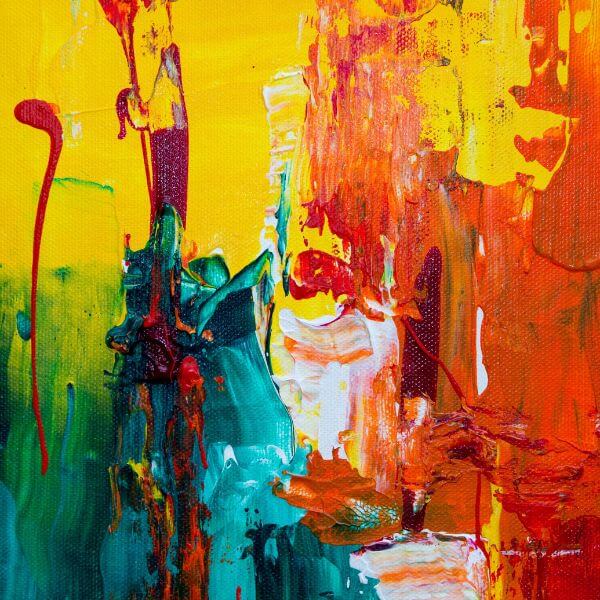
Ever wonder why an all-black outfit can look incredibly chic or just a bit flat? The difference is usually texture. It’s the “feel” of your clothes—not just on your skin, but the way they look to the eye. Textures give your outfit a cozy, edgy and sophisticated vibe.
As a designer I love using different materials mixing with each other, manipulating fabrics with design and creating textures. Styling different fabrics is also one part of playing with textures. You can pair chunky oversized knit on a silky slip dress or even get a leather jacket with soft cotton. All these contrasts give a visual depth, and it makes a simple outfit look high-end. It’s the secret to looking polished without having to pile on a ton of accessories.
When you start paying attention to texture, you realize that fashion doesn’t always have to be loud to be interesting. Sometimes the most elegant outfits are the ones that just “whisper” through the richness of the fabric. Once you get the hang of it, you’ll find that your clothes start doing the heavy lifting for you, making your personal style feel layered, thoughtful, and—most importantly—completely yours.
Prints and Patterns – Adding Personality to the Style
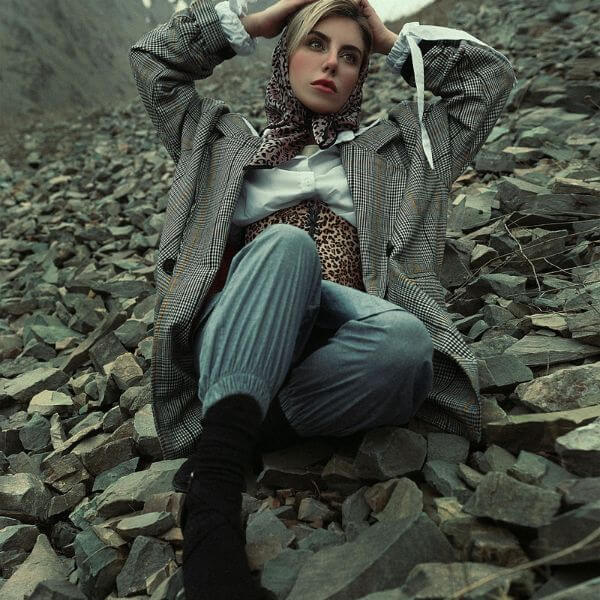
Prints and patterns make the fashion playful and creative. A simple sundress feels unique when covered in romantic florals as compared to the bold animal print. The shapes remains the same however the vibe differs.
As a designer, I always tell people that patterns are like a spice—they should enhance who you are, not drown you out. If you’re feeling energetic and modern, a sharp geometric print might be your go-to. For a whimsical mood grab a soft and organic. You need to find the perfect spot where the print feels like a natural extension of your personality rather than your costume.
The best part about getting a handle on prints is that fashion starts to feel fun again. You stop looking at a patterned piece and thinking, “Can I pull this off?” When you select the print that aligns your spirit you don’t just wear the outfit, but you also own it.
Scale and Proportion- The Balance of Every Outfit
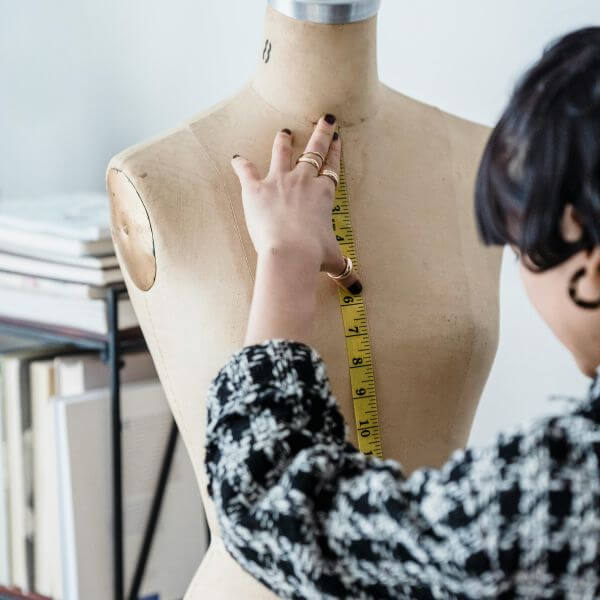
When we stand in front of the mirror sometimes our outfit feels that there is something missing, this is due to the proportion. It’s the hidden math of style—the way the different lengths and volumes of your clothes talk to each other. It’s why a big, cozy sweater looks so cool with slim jeans, or why a cropped jacket feels like the perfect partner for high-waisted trousers.
As a designer, I see proportion as the secret to making an outfit look intentional rather than accidental. You don’t need to have a perfect body just to know how you create the balance. When you get the proportions right, you’re essentially directing the eye to where you want it to go. It’s the difference between looking like you’re wearing the clothes and looking like the clothes are wearing you.
The best thing about mastering proportion is that it’s totally free. You only to understand how to balance the silhouette. You need to start understanding the clothes in the form of building blocks of different sizes. This helps to create the look unique, confident and feels balanced.
The Final Touch- Details and Embellishment:
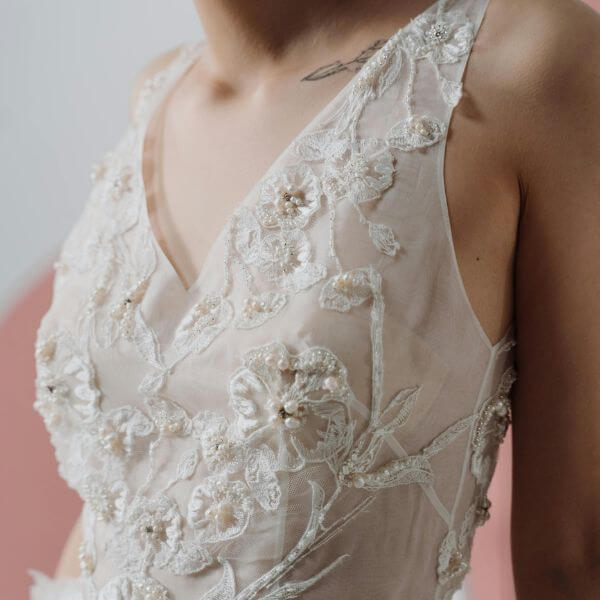
If you look closely, it’s usually not just the color or the way it fits that keeps you hooked—it’s those tiny, “blink-and-you’ll-miss-it” details. Maybe it’s the way a vintage button catches the light, a splash of patterned lining hidden inside a cuff, or even just the sturdy, satisfying weight of a zipper that stays up. They are the soul of the garment. You turn the piece of the fabric into a story with embellishments.
As a designer I understand that these small finishes make your fashion feel human. They create a special connection between maker and a wearer. It’s the difference between a shirt that feels like it was churned out by a machine and one that feels like someone cared about the person who’d eventually put it on. When you start noticing the neatness of a hem or the clever placement of a pocket, you naturally stop wanting a closet full of “disposable” trends. You start looking for pieces that feel special.
Once you start appreciating these quiet details, your whole perspective on style shifts. You will realize that you do not need so many clothes to look great and feel confident but only few pieces that will make you feel look authentic version of yourself.
FAQs:
What are the elements of fashion?
The elements of the fashion consist of the line, shape. Color, texture, pattern, proportion and embellishment.
Why it is necessary to have elements of fashion?
They help designers and wearers create balanced, flattering, and expressive outfits.
Are elements of fashion and principles of fashion different?
Yes. Elements are building blocks; principles guide how they’re used.
Can beginners understand fashion elements?
Absolutely. They’re simple once explained and very practical.
How do elements of fashion affect styling?
They influence how outfits fit, feel, and communicate personality.
Do fashion trends follow these elements?
Yes, every trend is built using these same elements.
Which element is the most important one?
No element is the most important. It is all about the balance as every element has its own uniqueness.
Can understanding and learning fashion elements improve shopping?
Yes, it helps you to select a smart choice and avoids the impulse buying.
Can these elements be used in accessory design ?
Yes, you can use these elements in a accessory design such as bags, footwear, Jewelery and more.
Can everyday people use fashion elements?
Of course. You already do — now you’ll just do it better.